
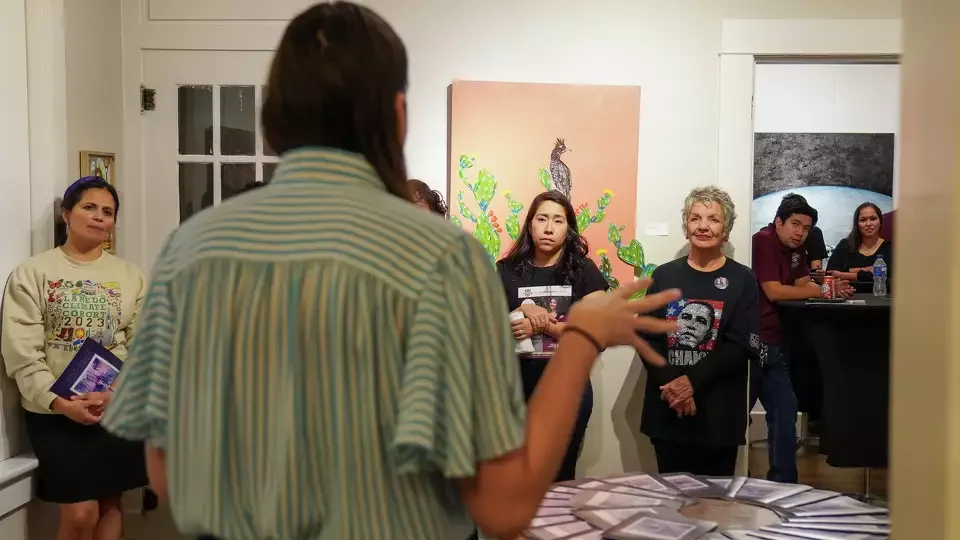
The Rio Grande International Study Center commemorated the 30th anniversary of Dia del Rio with the “River City Reviere: Art, Life and Memory Along the Rio Grande” event, which RGISC described as “a celebration focused on the river’s history, culture and its value as the only source of water for millions of Texan and Mexican borderland residents.”
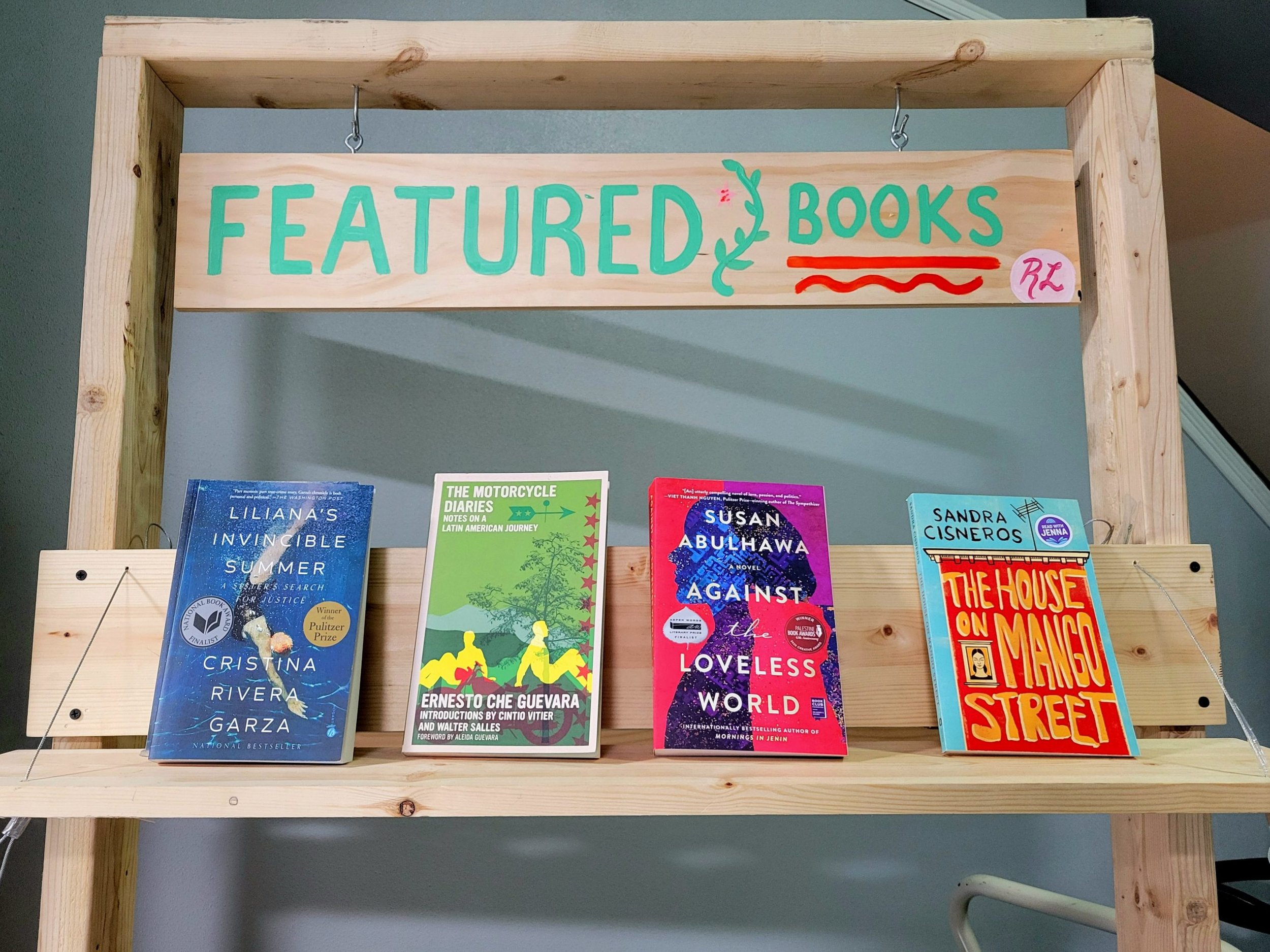
The 956 Radical Library: Reclaiming Lost Stories in the RGV
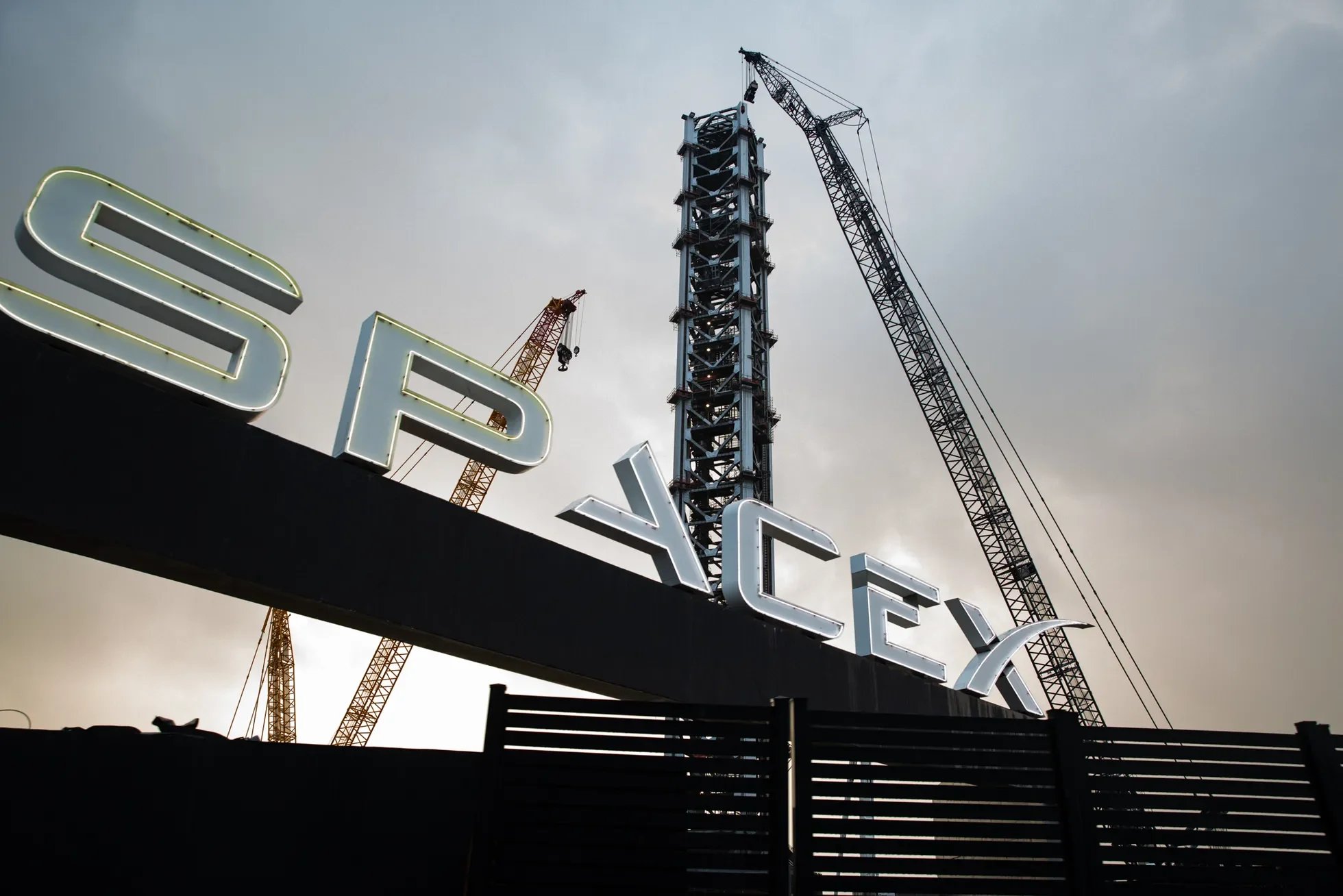
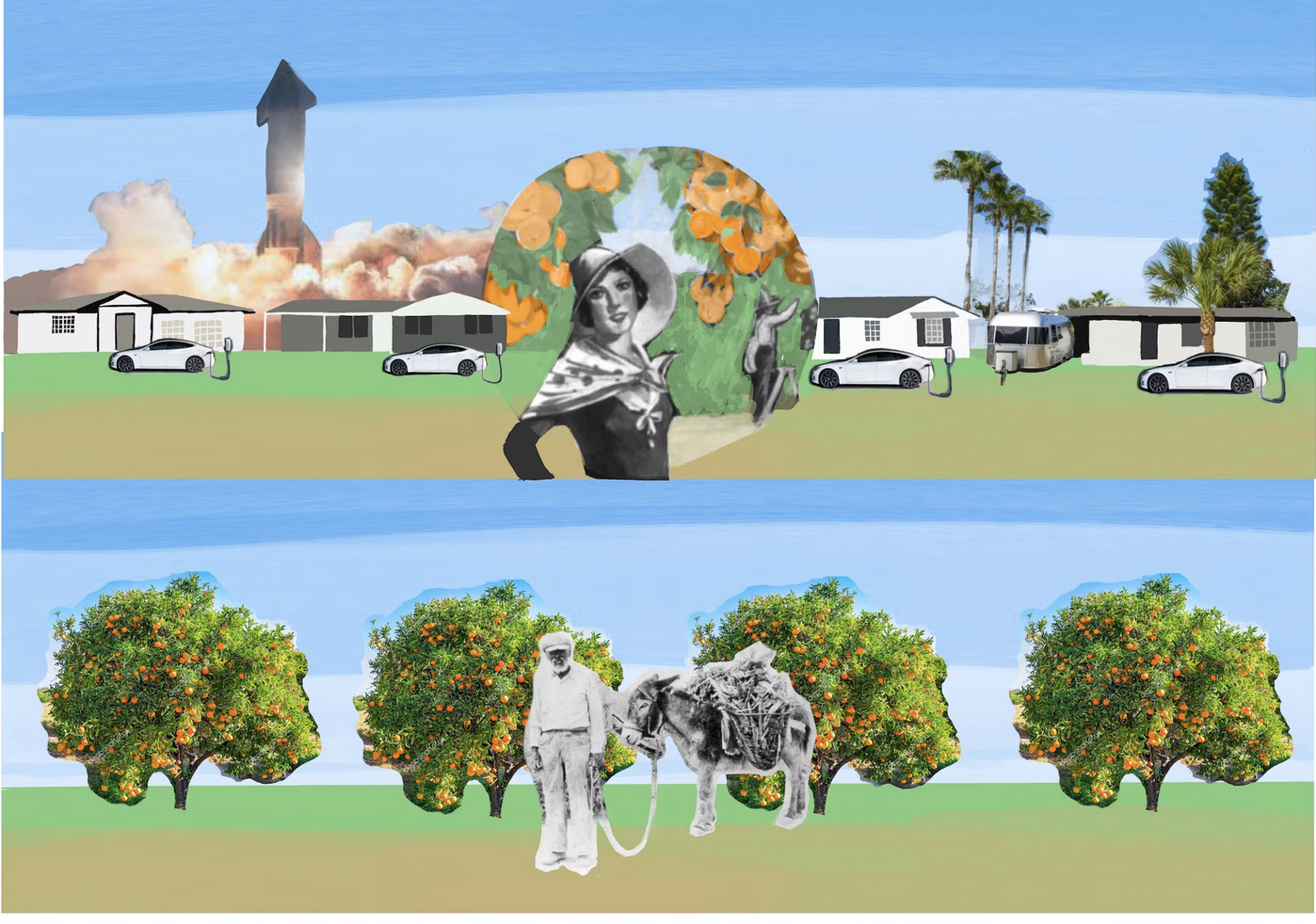
$3 billion later, here's how Elon Musk and SpaceX changed this corner of Texas.
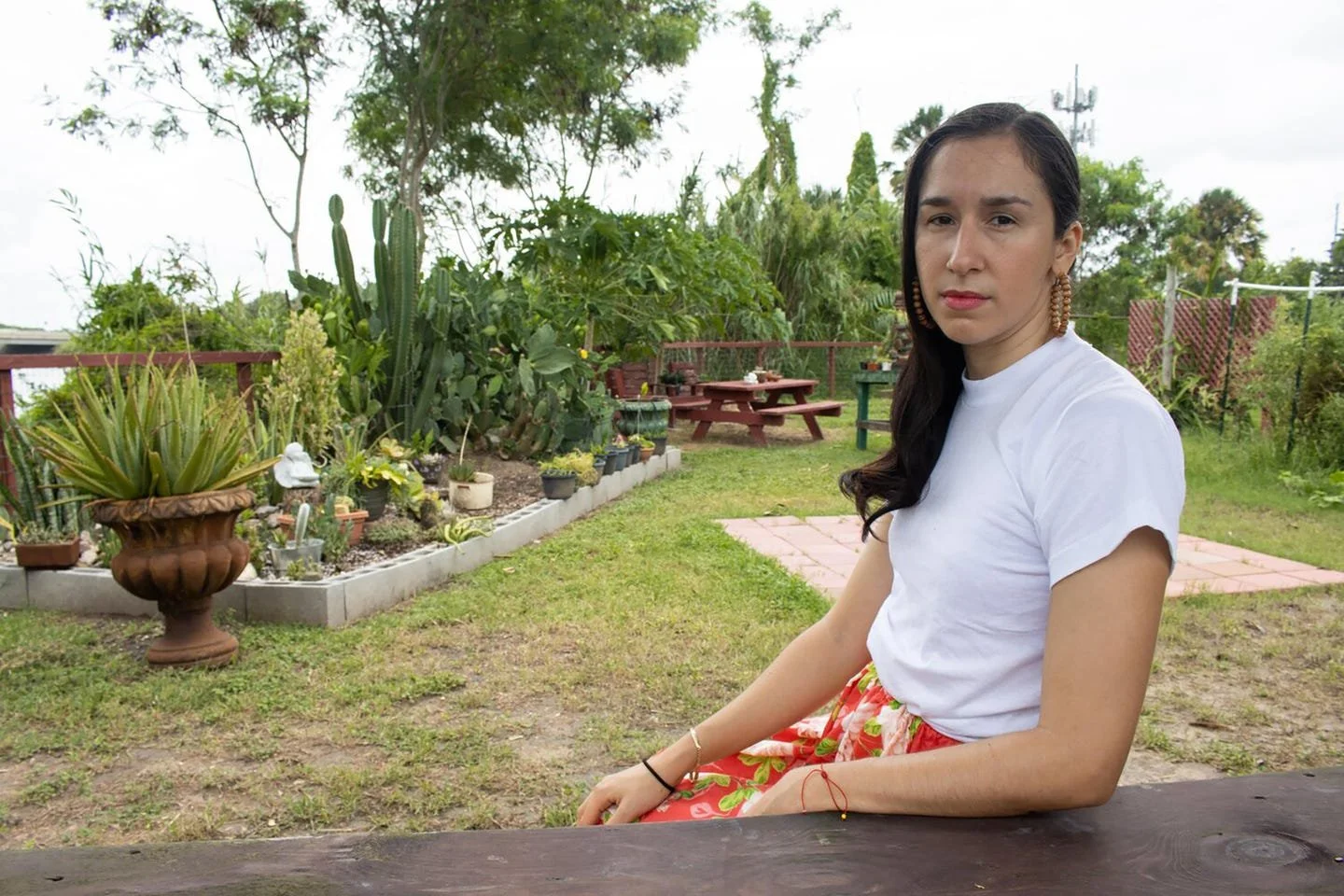
To Nansi Guevara, a visual artist in Brownsville, the rocket-making complex is an irrevocable disruption to the shorebirds, ocelots and endangered Kemp’s ridley sea turtles that nest in the Rio Grande delta. It’s also the reason rents and property taxes are on a steep rise, she said, and why skilled workers from California and Florida are descending on South Texas to fill high-paying jobs once promised to locals.
Deconstructing the Deep Lie of “There is Nothing Here”
Story by Josue Rawmirez
Edited by Abigail Vela
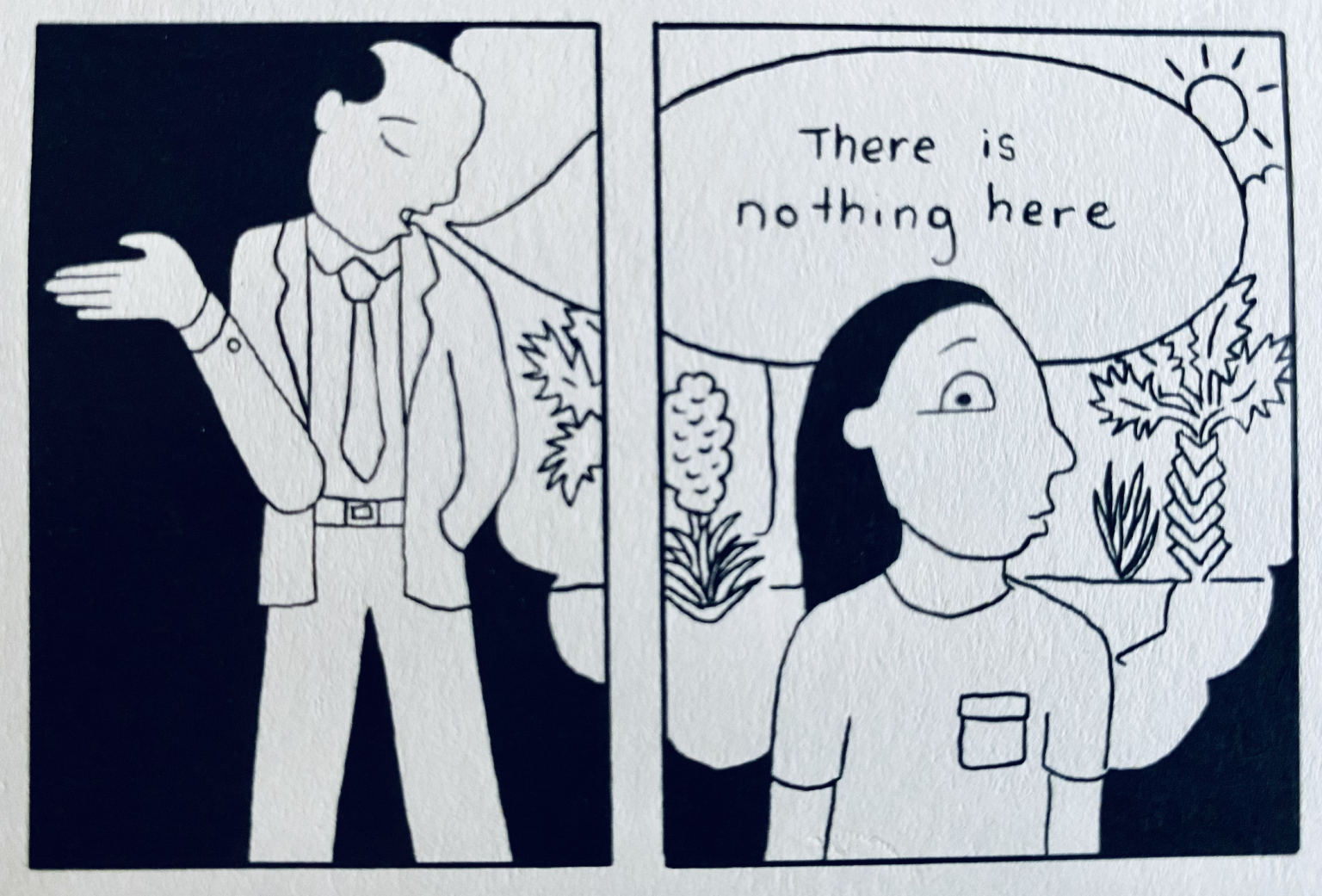
Growing up and living in the 956, a common experience for residents is dealing with the many imposed false narratives and perspectives about the region. One particular take about the Rio Grande Valley that has been repeated for generations is that “there is nothing here.”
Review: “Nuestra Delta Mágica” in Brownsville and Humberto Jimenez in Matamoros
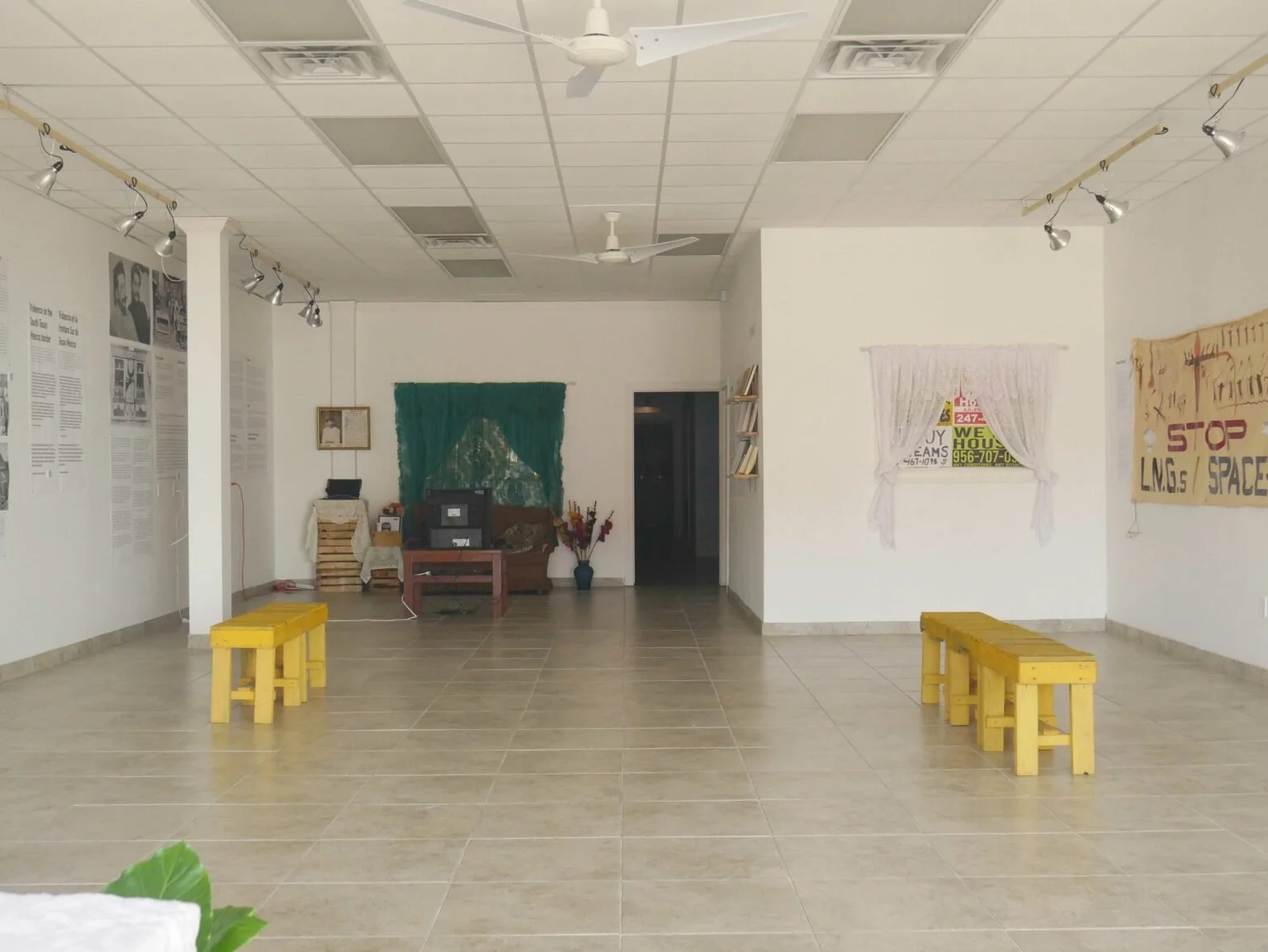
Nuestra Delta Mágica: Settler Imaginaries & Community Resistance at 924 E. Levee St, Brownsville, Texas, April 1 – June 1, 2023
Inside a temporarily repurposed commercial space in downtown Brownsville, a series of wall texts and photographs explore a history of racism, colonization, and exploitative labor practices in South Texas. They are presented alongside protest signs painted by the local Carrizo/Comecrudo Tribe, one of which reads “STOP DESTROYING OUR SACRED LAND.” In another corner of the room, a compact library of activist and revolutionary literature, including titles like They Called Them Greasers: Anglo Attitudes toward Mexicans in Texas, 1821–1900 and Bad Mexicans: Race, Empire, and Revolution in the Borderlands, is displayed next to a small television screening the 2003 film Valley of Tears, which documents three decades of farm worker struggles on the Texas border.
Border Stories Too Often Depict Latine Pain. These Artists Center Joy Instead
Latines who cross the Mexican border into the United States regularly confront misconceptions about immigration and life at the edge of two countries. The idea of crossing the border invokes ideas of suffering, trauma, violence, and oppression. But the reality is that life at the border, border cities, and the act of crossing the border have many other dimensions and perspectives beyond sorrow.
Environmental art projects led by women-identifying artists receive grants totalling $250,000
Fourteen projects across the US addressing the climate crisis head on received the inaugural environmental grants from Anonymous Was A Woman and the New York Foundation for the Arts
Podcast: Notes from a Native Daughter
LISTEN TO EPISODE 129 | NANSIGUEVARA.COM | IG @NANSIGUEVARA
We need kind hearts galore, like the one border artist-activist Nansi Guevara possesses. Her perceptions of life and circumstance are layered. She ascends to each one with care, like her art. A child of Laredo, Texas, a child of the Rio Grande Valley (presently in Brownsville), her life in the border has shaped every fiber of this amazing woman artist's expression and reason for being and giving.
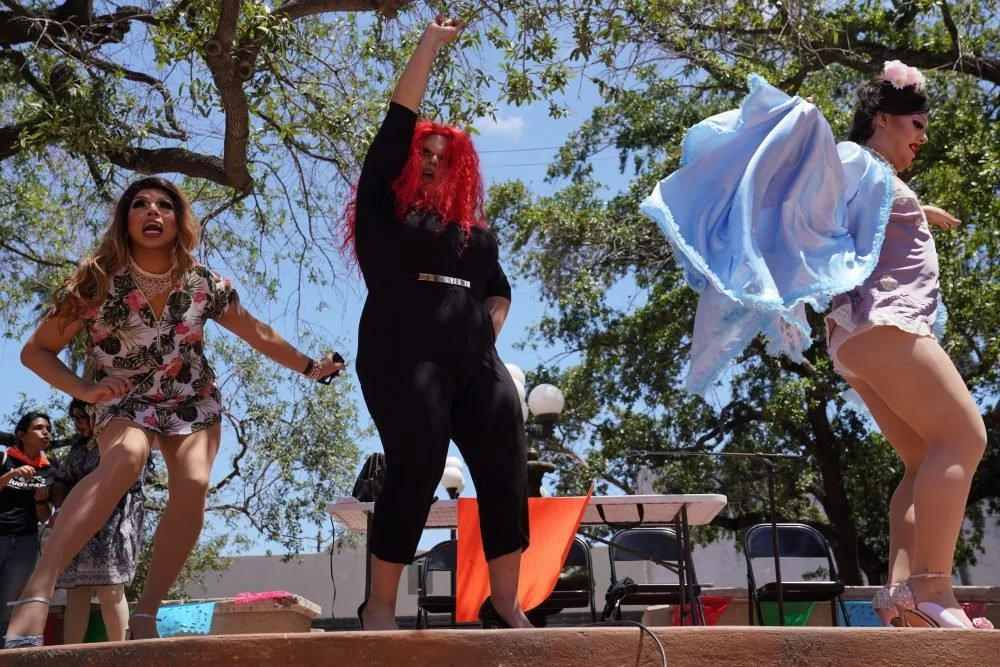
A RADICALLY DIFFERENT PLANNING PROCESS IN BROWNSVILLE
One of the poorest cities in the country is in South Texas, adjacent to the Mexico border. In Brownsville, the average annual household income is $15,030, according to the American Community Survey 5-Year Estimates from 2013-2015. The Rio Grande Valley region, however, is rich with the cultural history of immigrants. More than 90 percent of households identify as Hispanic or Latinx, and many families are mixed status, meaning one or more family members are undocumented.
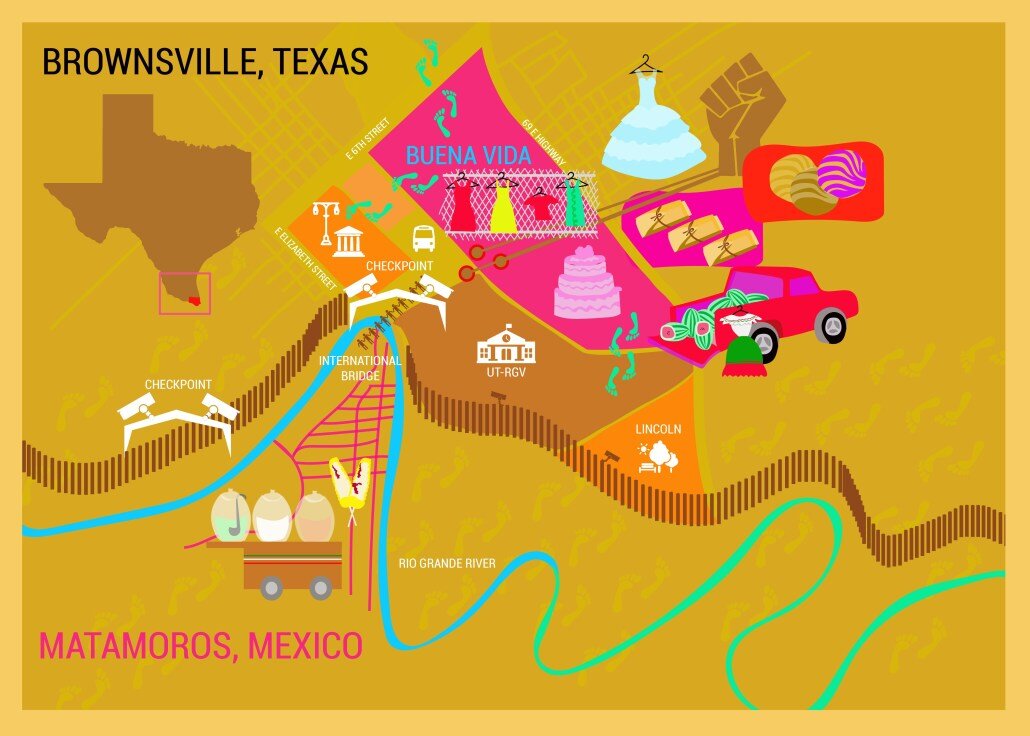
THREE ARTIST-ACTIVISTS HELP A NEIGHBORHOOD DREAM ABOUT, AND DEVELOP, ITS ECONOMIC FUTURE
Las Imaginistas clarify the permitting process to help microbusinesses start and grow, and celebrate the ingenuity and traditions of immigrant communities.